6-DOF Motion Platform · Final Year Engineering Project
UBC Mechanical Engineering Capstone
Click and drag to explore the model!
A 6DOF Motion Platform with an innovative design, built for high-frequency applications like F1 car suspension testing.
I was in charge of the:
The conceptual design and layout of our motion platform.
Click to learn more!
Figuring out how our components affect performance.
Click to learn more!
Designing for Manufacturing, Assembly and Performance.
Click to learn more!
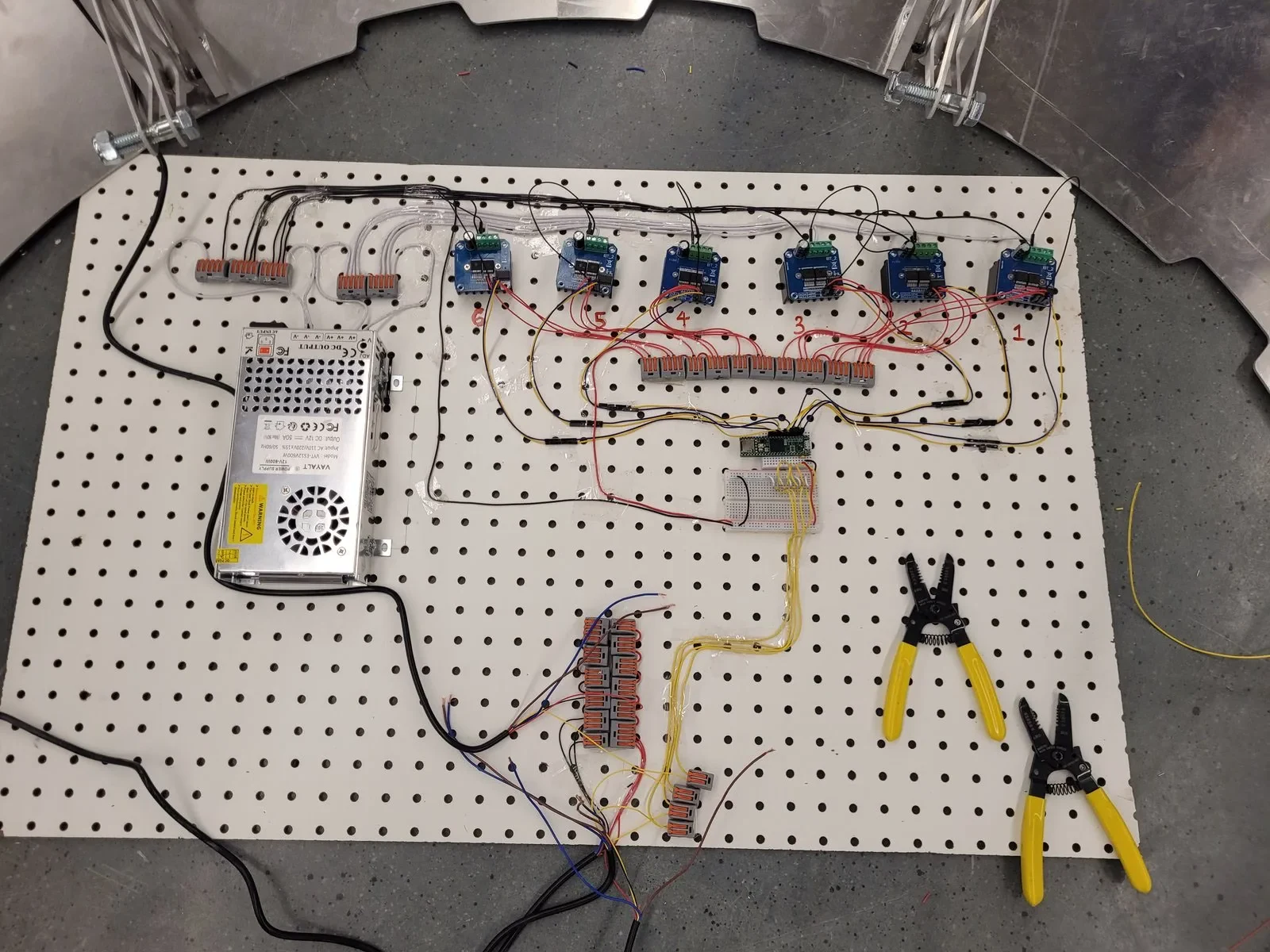
Figuring out how to make the robot move how we want it to.
Click to learn more!

Capstone · Mechatronics
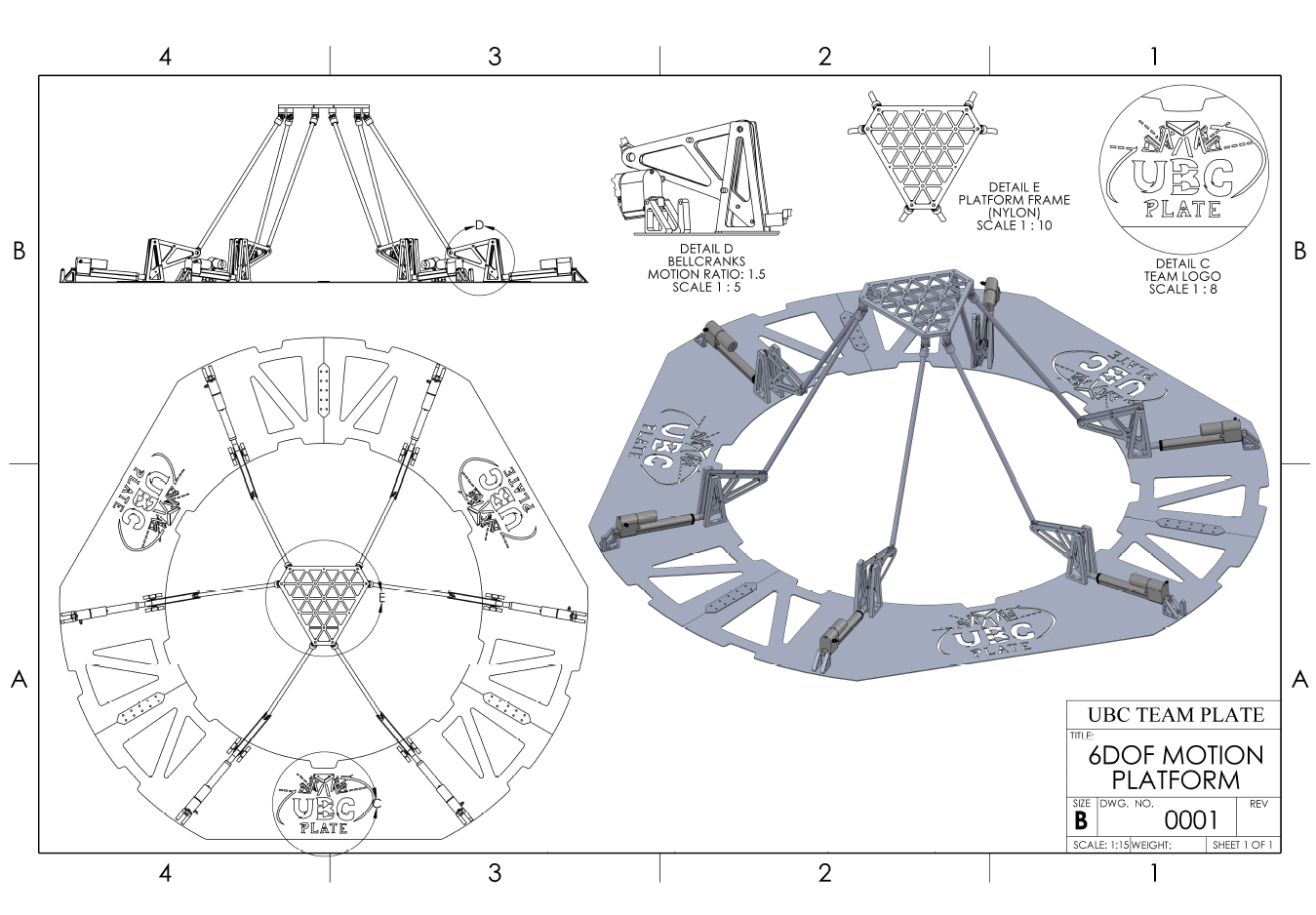
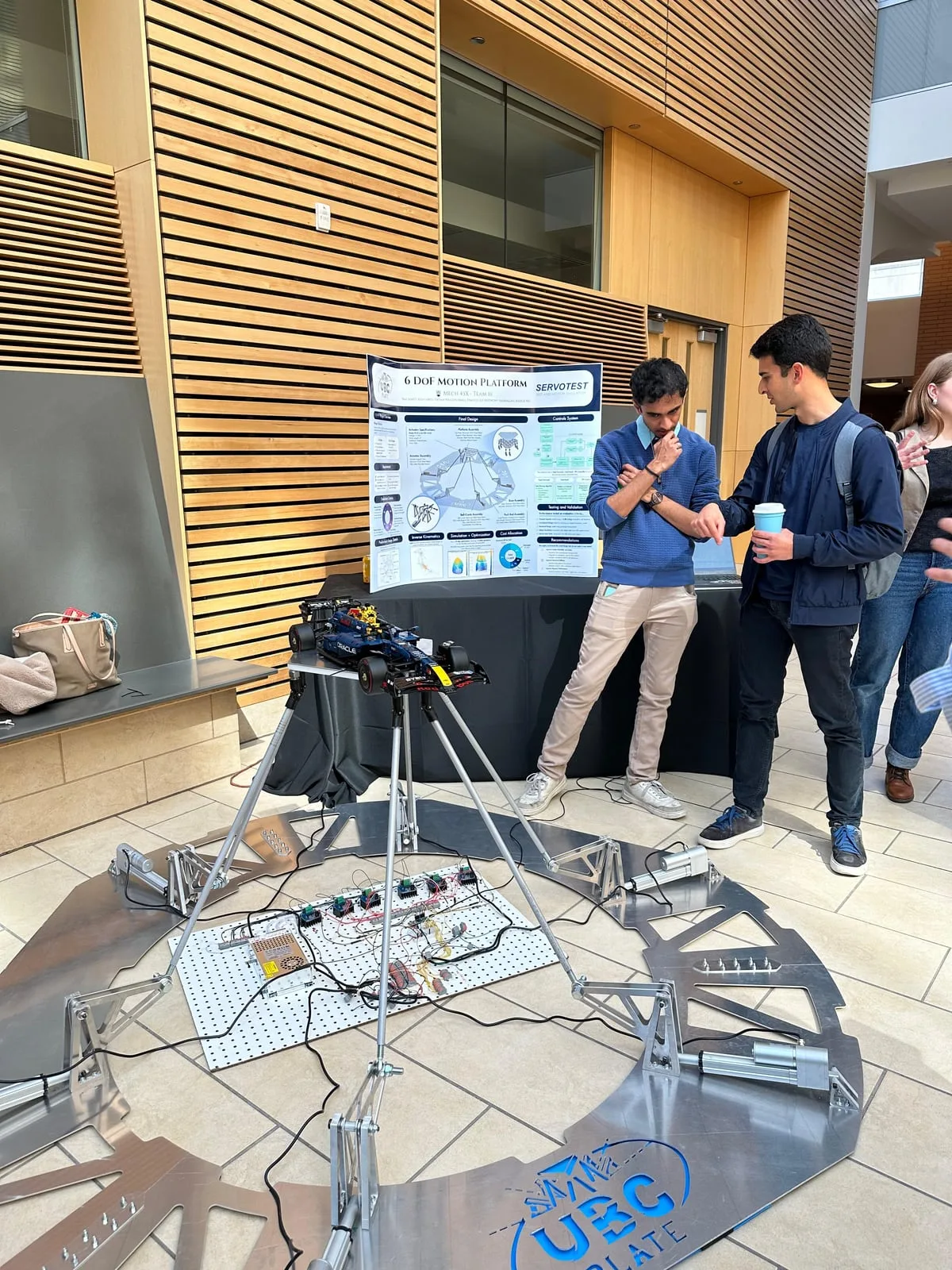
My capstone project (MECH457, UBC Team PLATE, in partnership with Servotest Systems) was a robot that could move a platform in all 6 degrees of freedom independently. The individual degrees of movement are shown in the videos to the right. The platform is capable of ±100 mm in XYZ translation and ±20° in Roll, Pitch and Yaw.
These motion platforms are a novel twist on a typical Stewart Platform — the actuators are decoupled from the platform using a bellcrank linkage that improves the speed, acceleration and frequency capabilities greatly. It also makes the platform highly configurable for different payloads, use-cases and vibration frequency ranges.
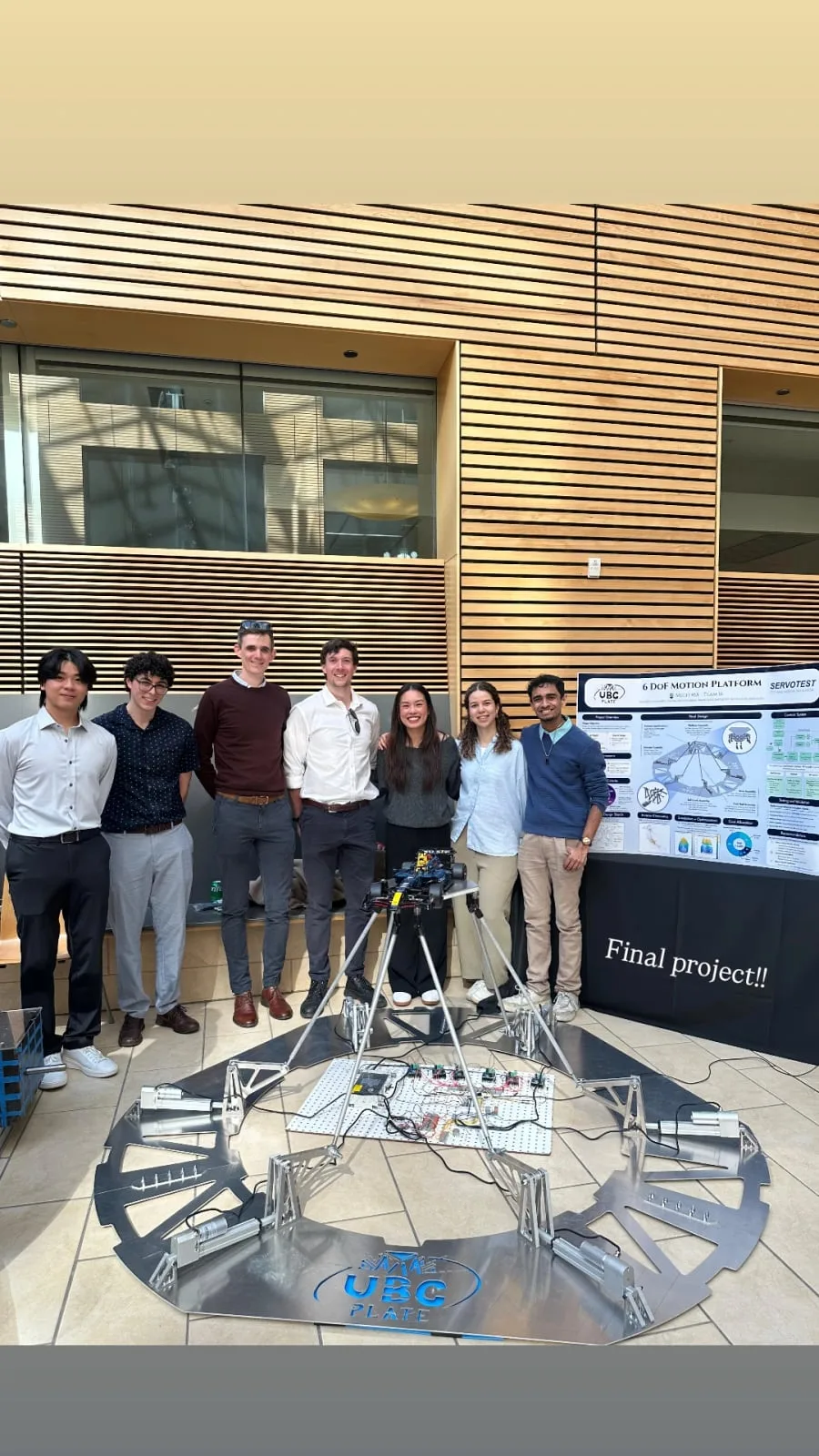
We designed a (confidential) full-scale version, and a smaller scale prototype which we manufactured for under $5000 CAD. The project scope included the whole design process from ideation to manufacturing — and I was the technical lead, in charge of: architecture, geometry optimization, mechanical design, and electronics & controls. See pictures of the prototype below.


Formula UBC SAE Racing
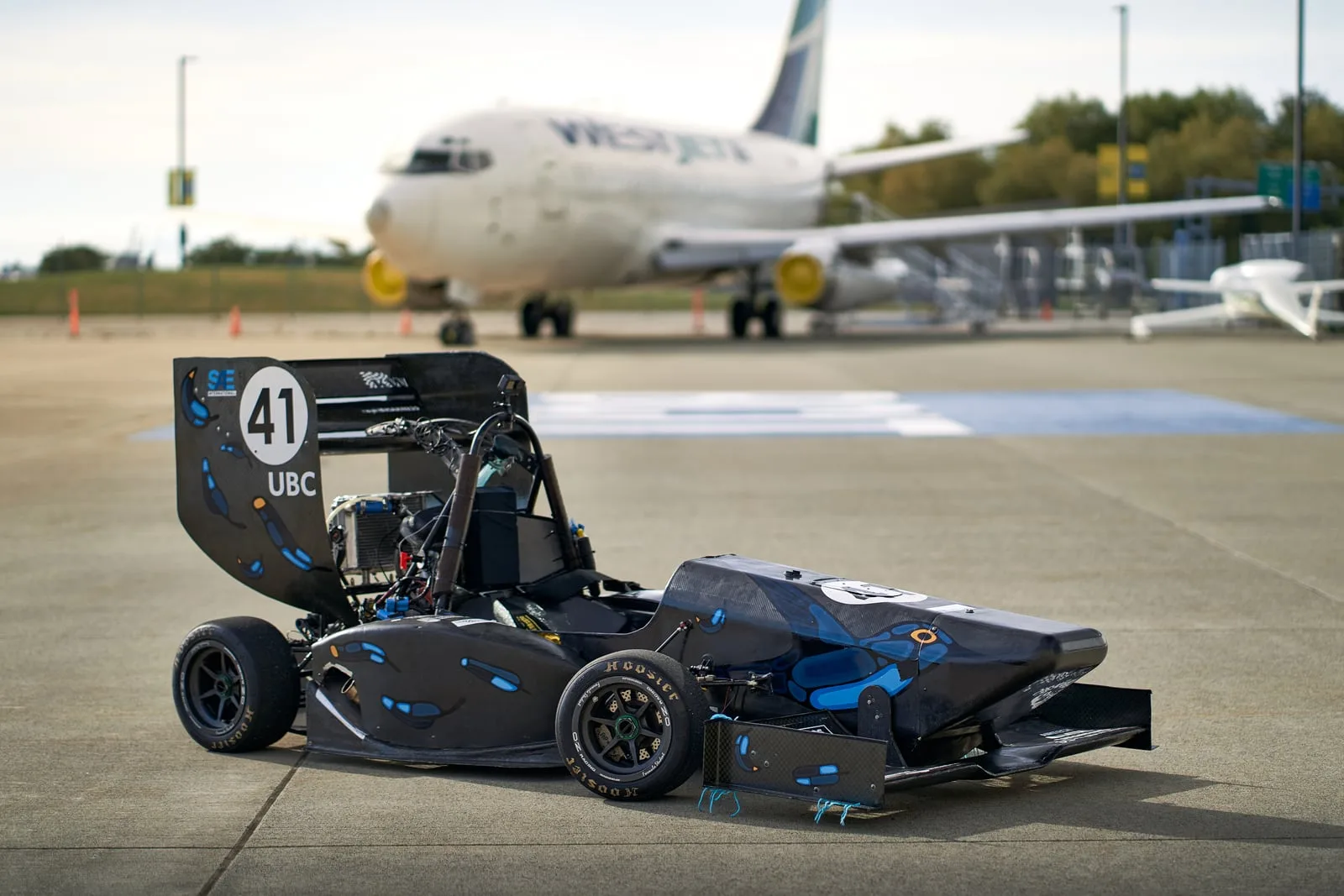
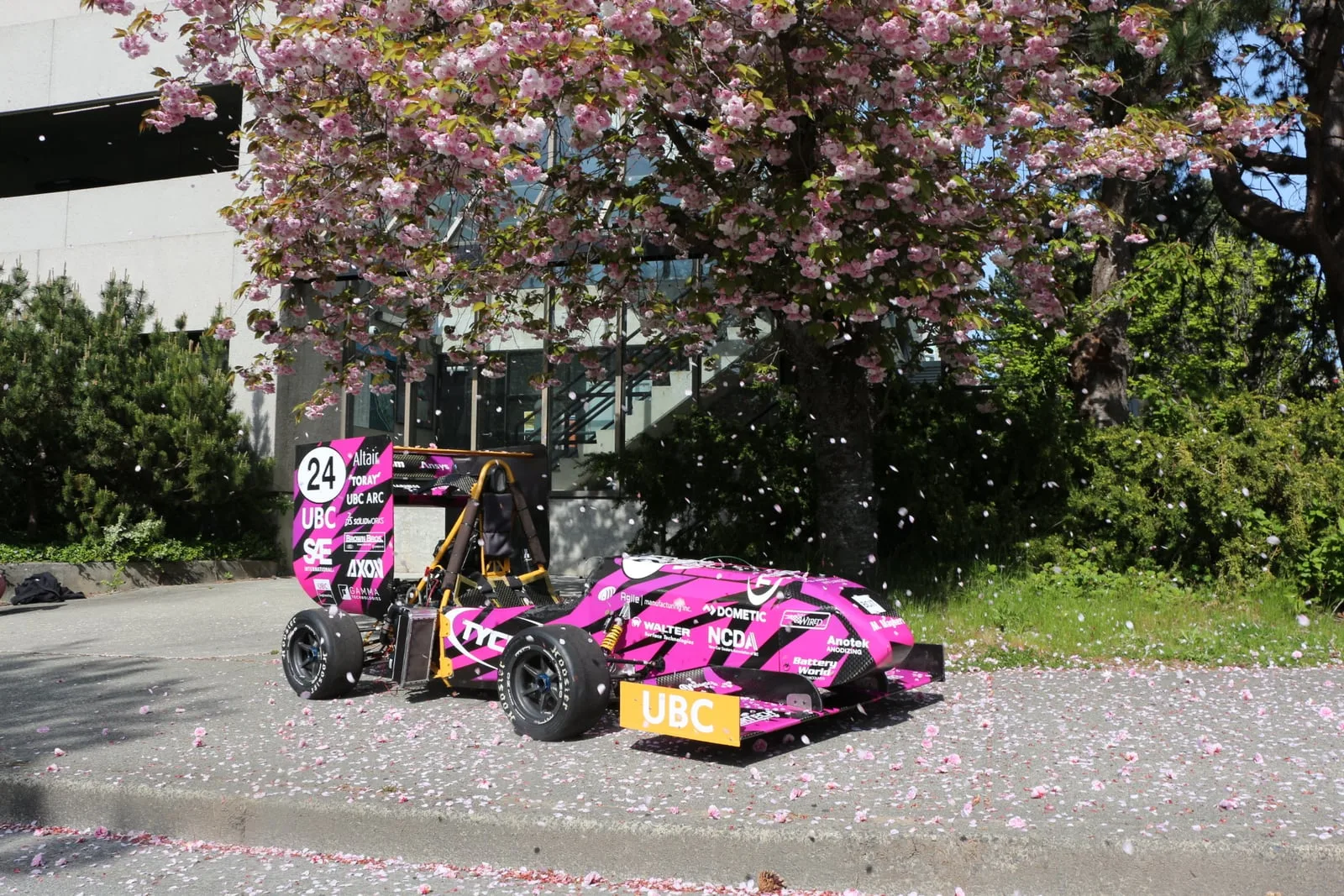
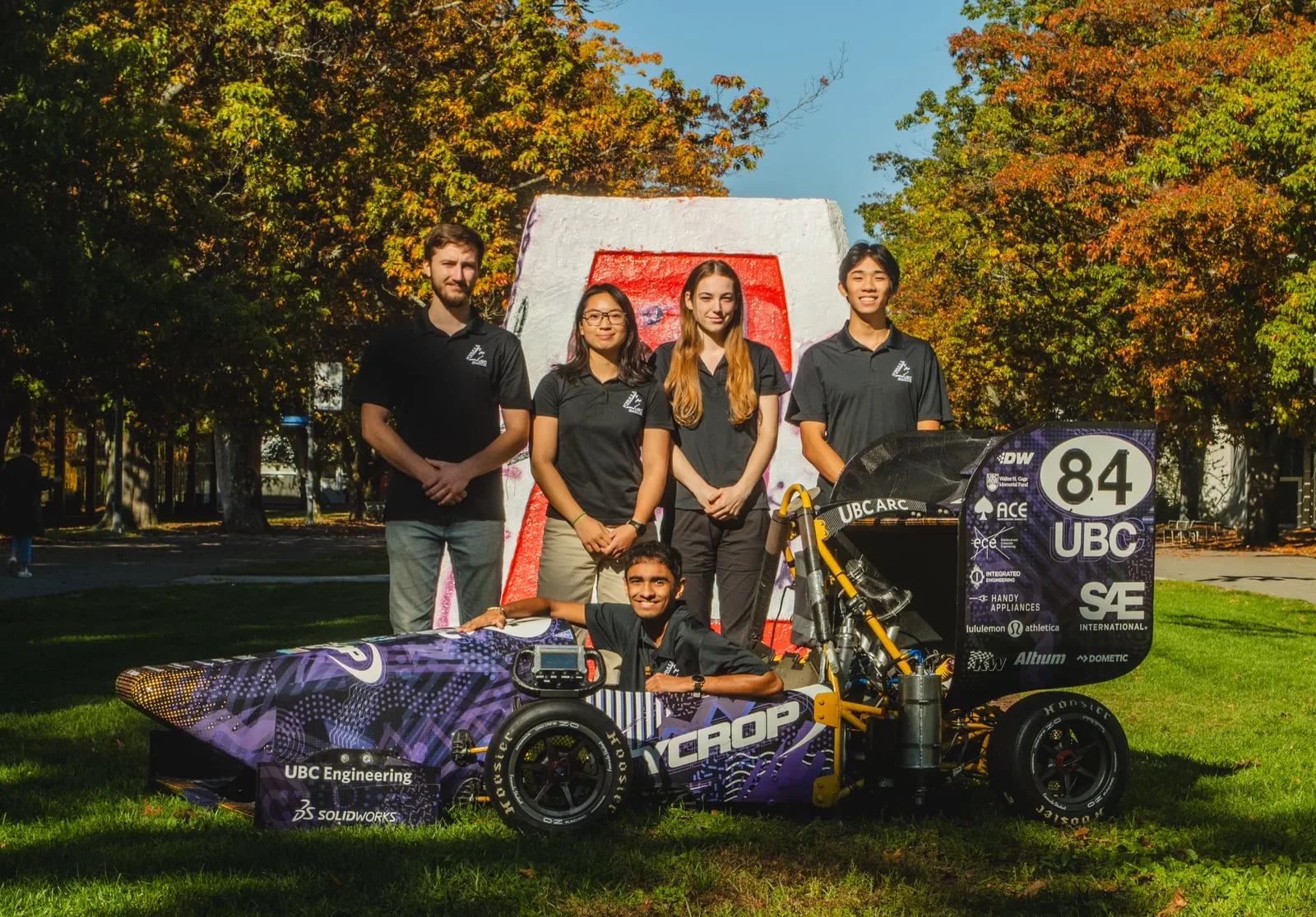
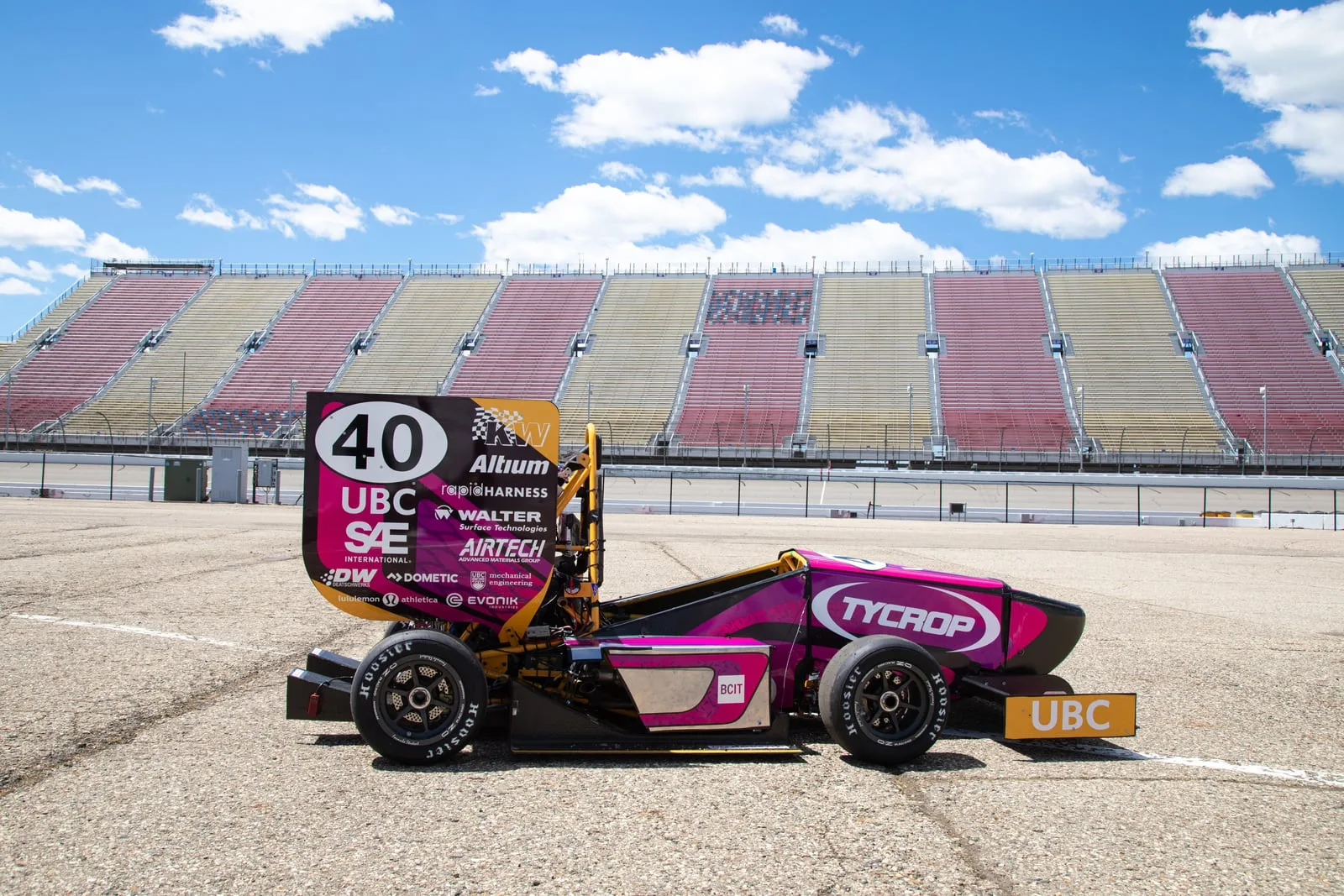
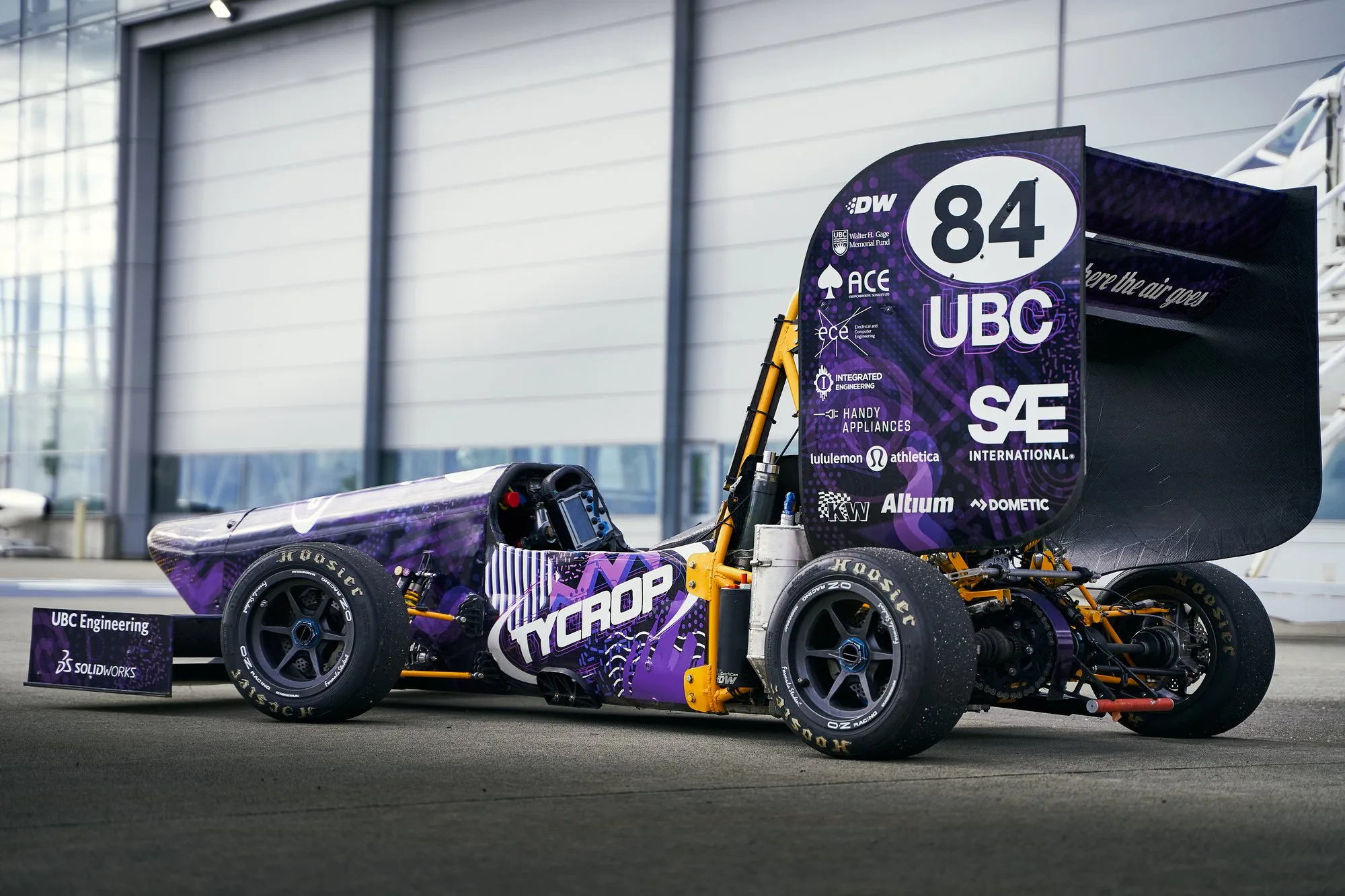
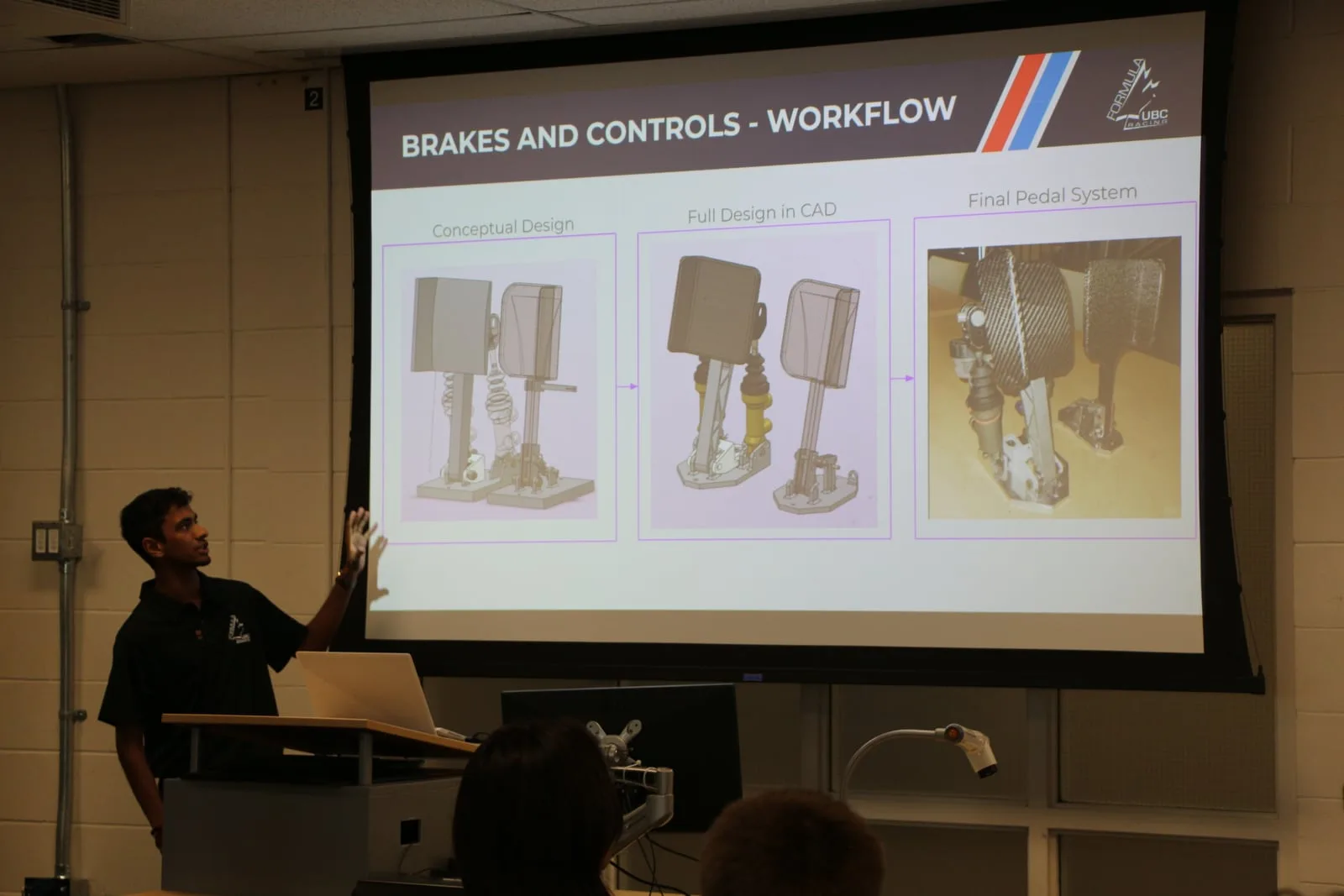
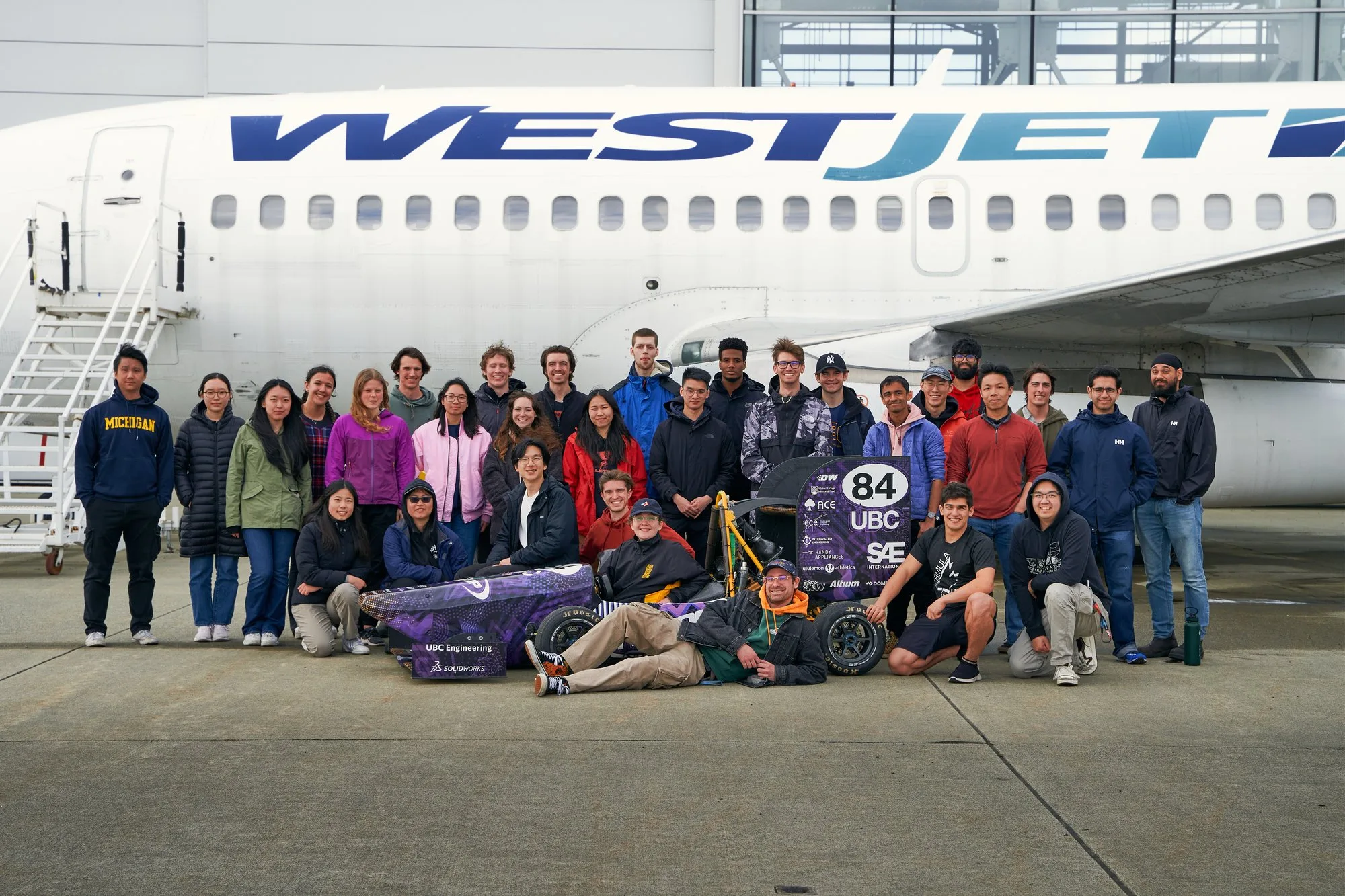
Formula UBC Racing is a student design team at UBC where we design, build, and race a new Formula SAE car from scratch every year. I've contributed across four consecutive cars:


Featured · Design → Manufacture
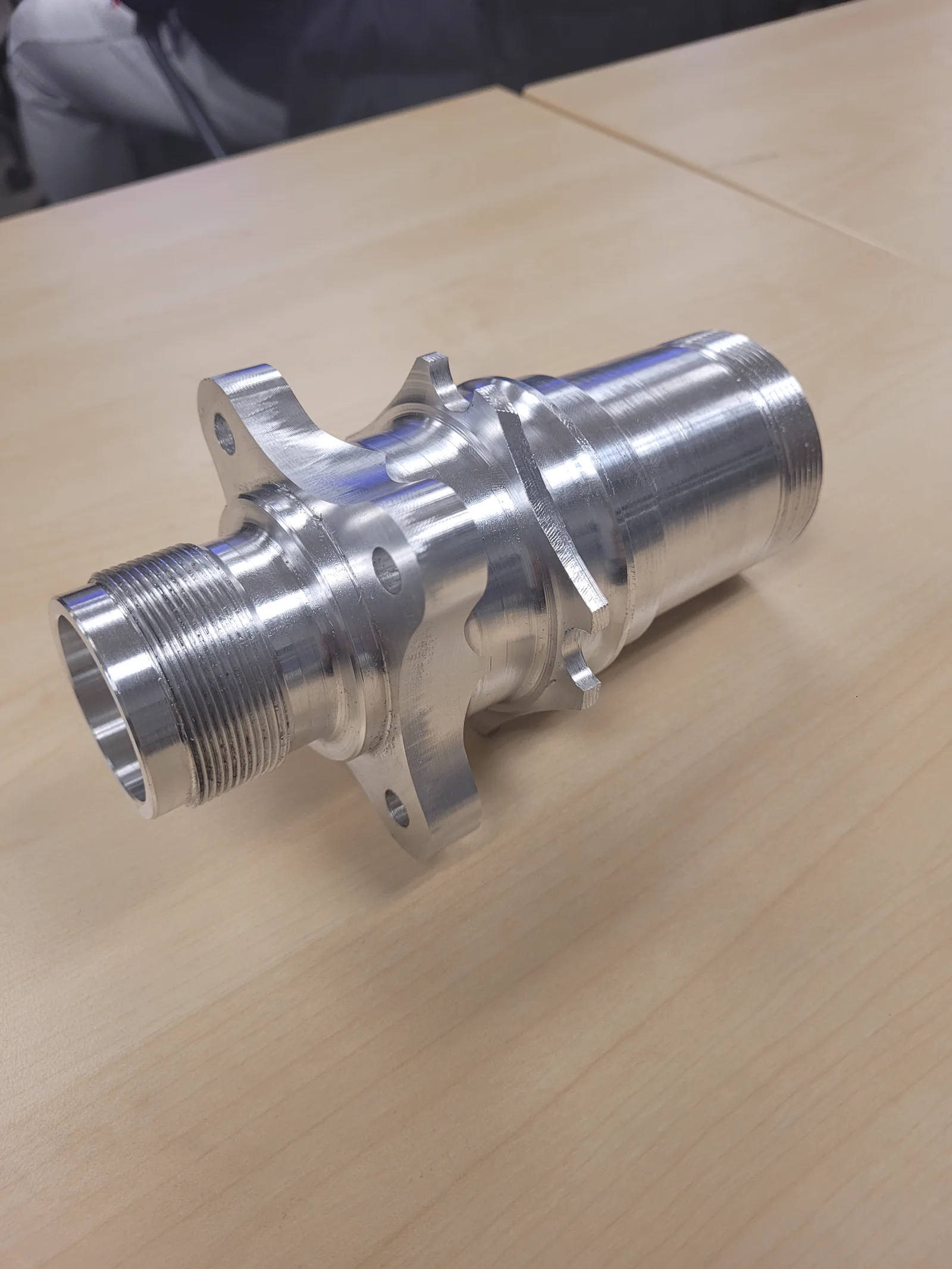
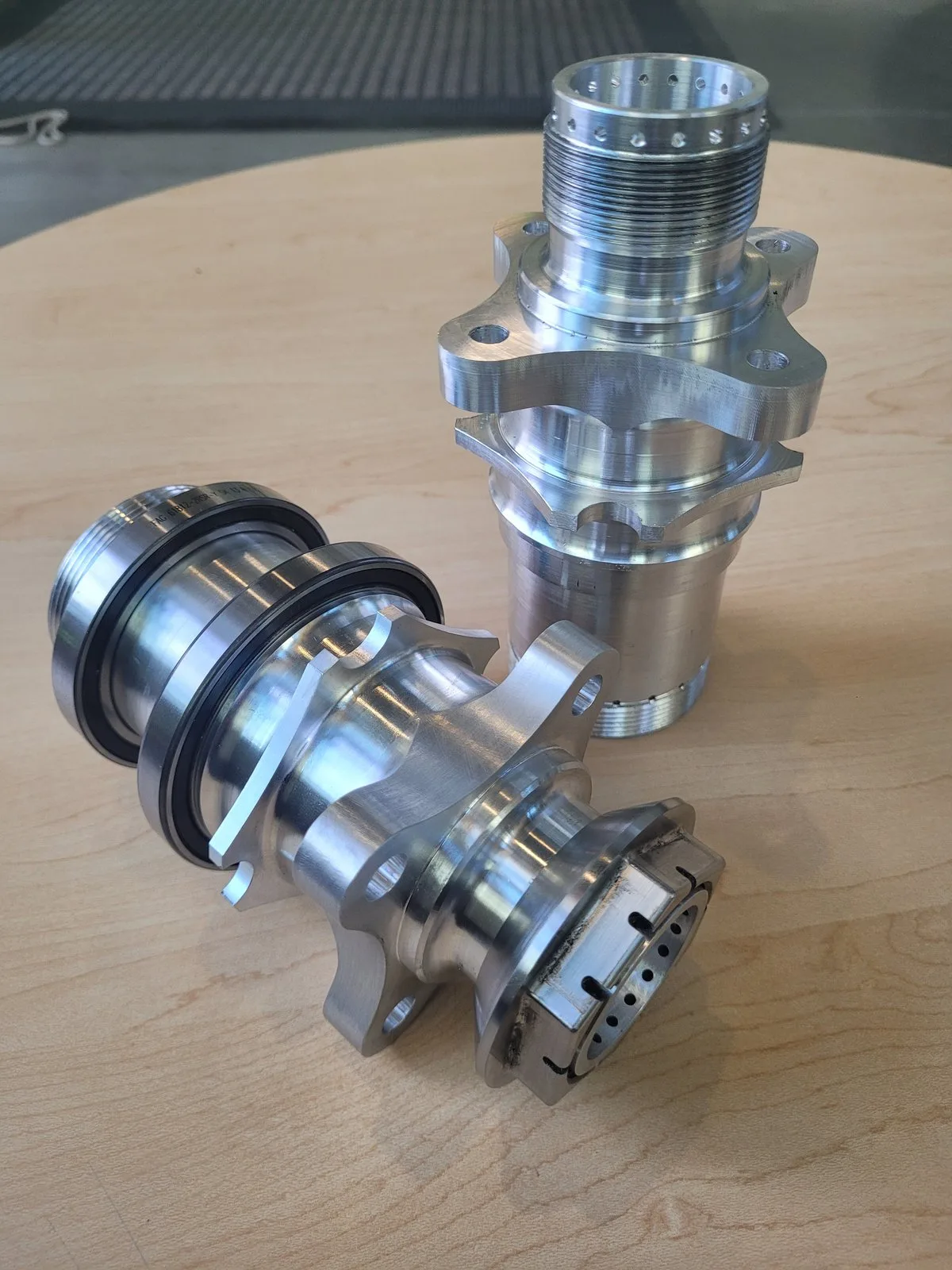
I was the first person in over 10 years on Formula UBC to design and machine the wheel hubs — cutting mass by 25% and assembly part count by 4.
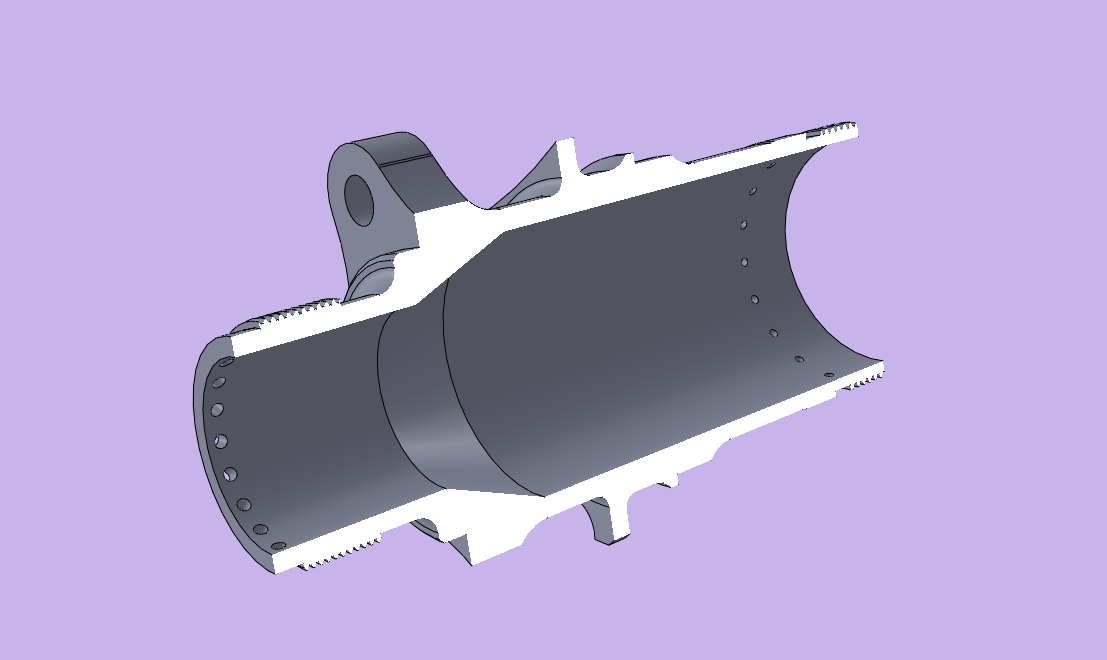
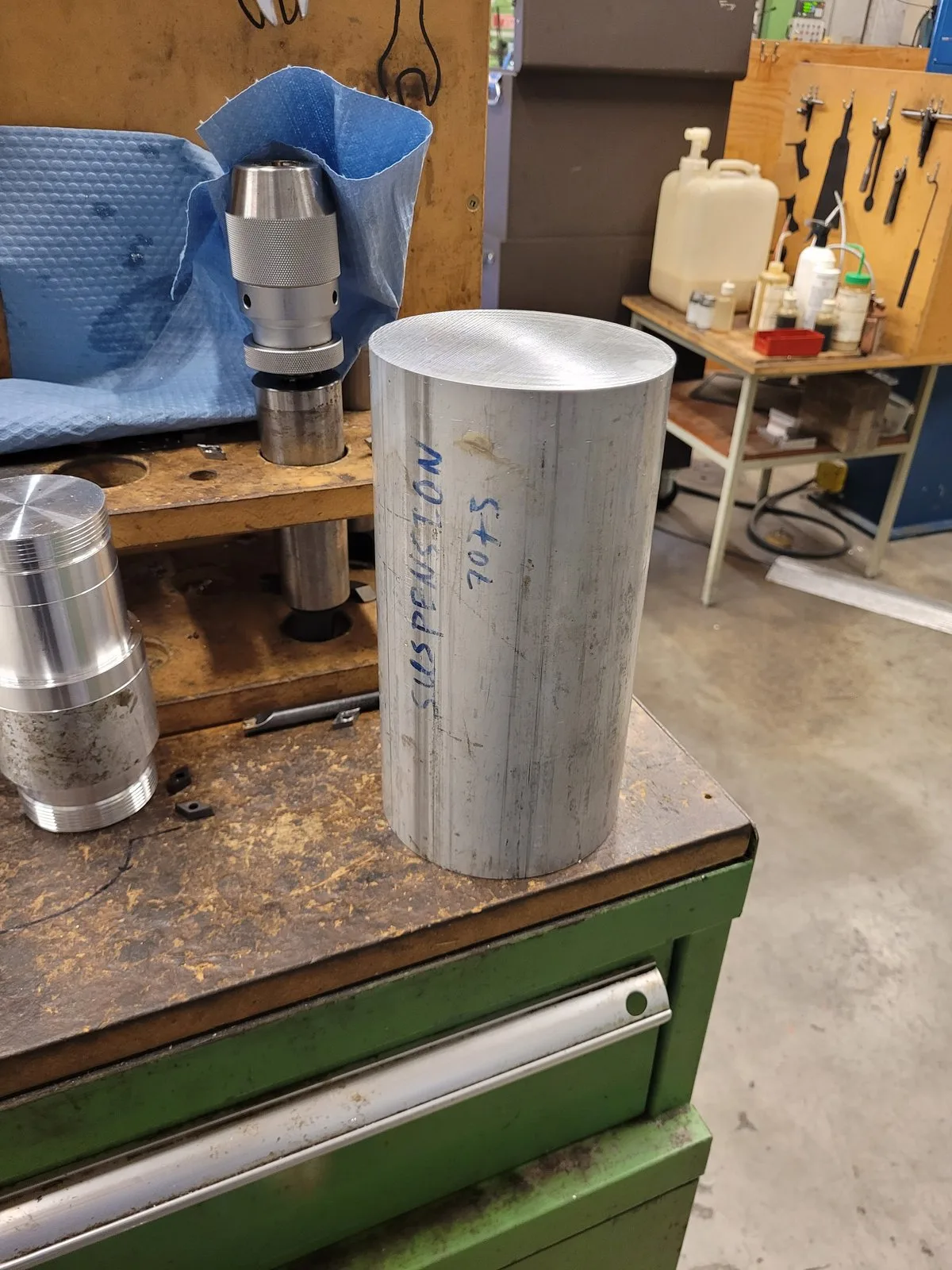
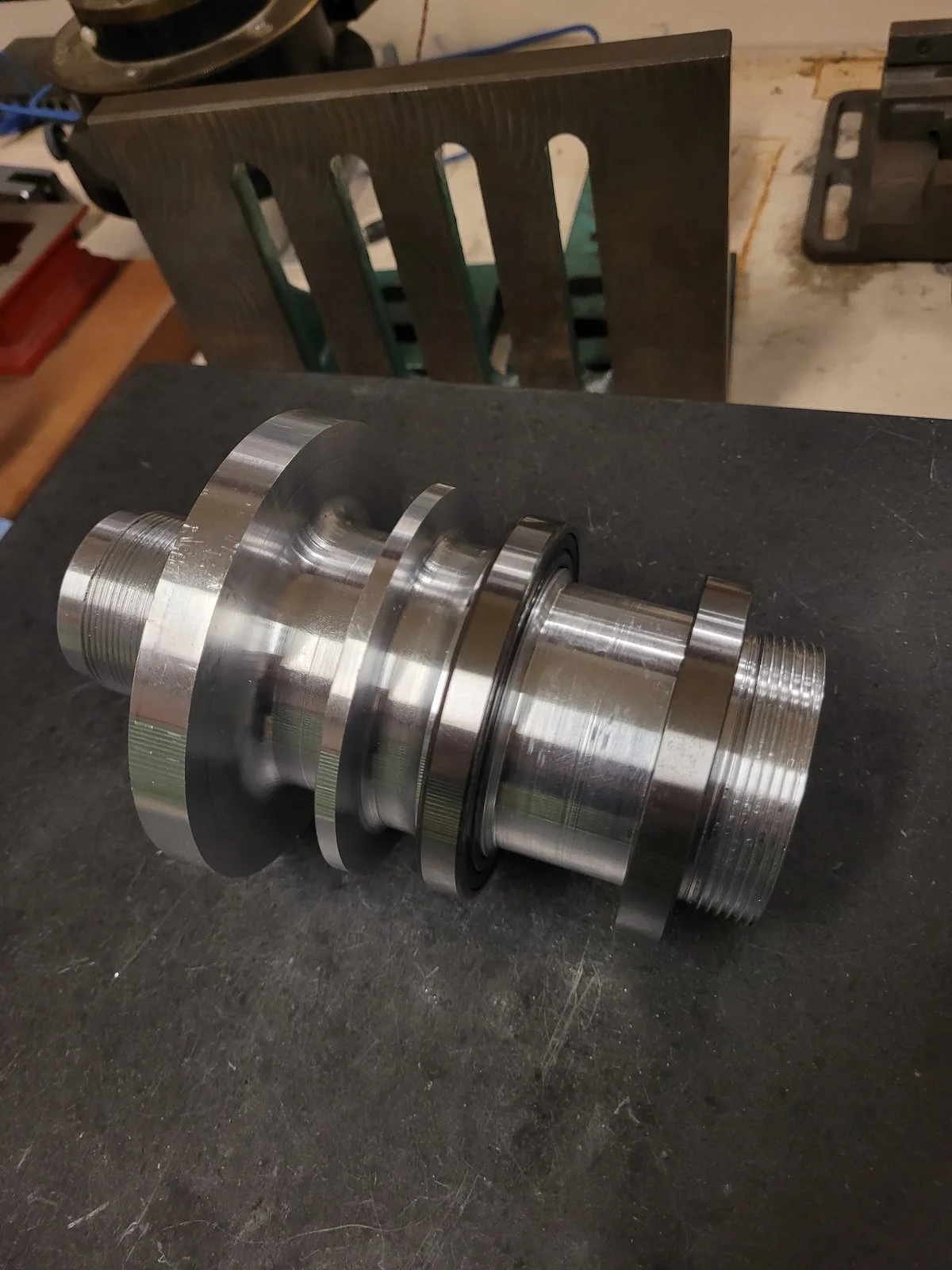
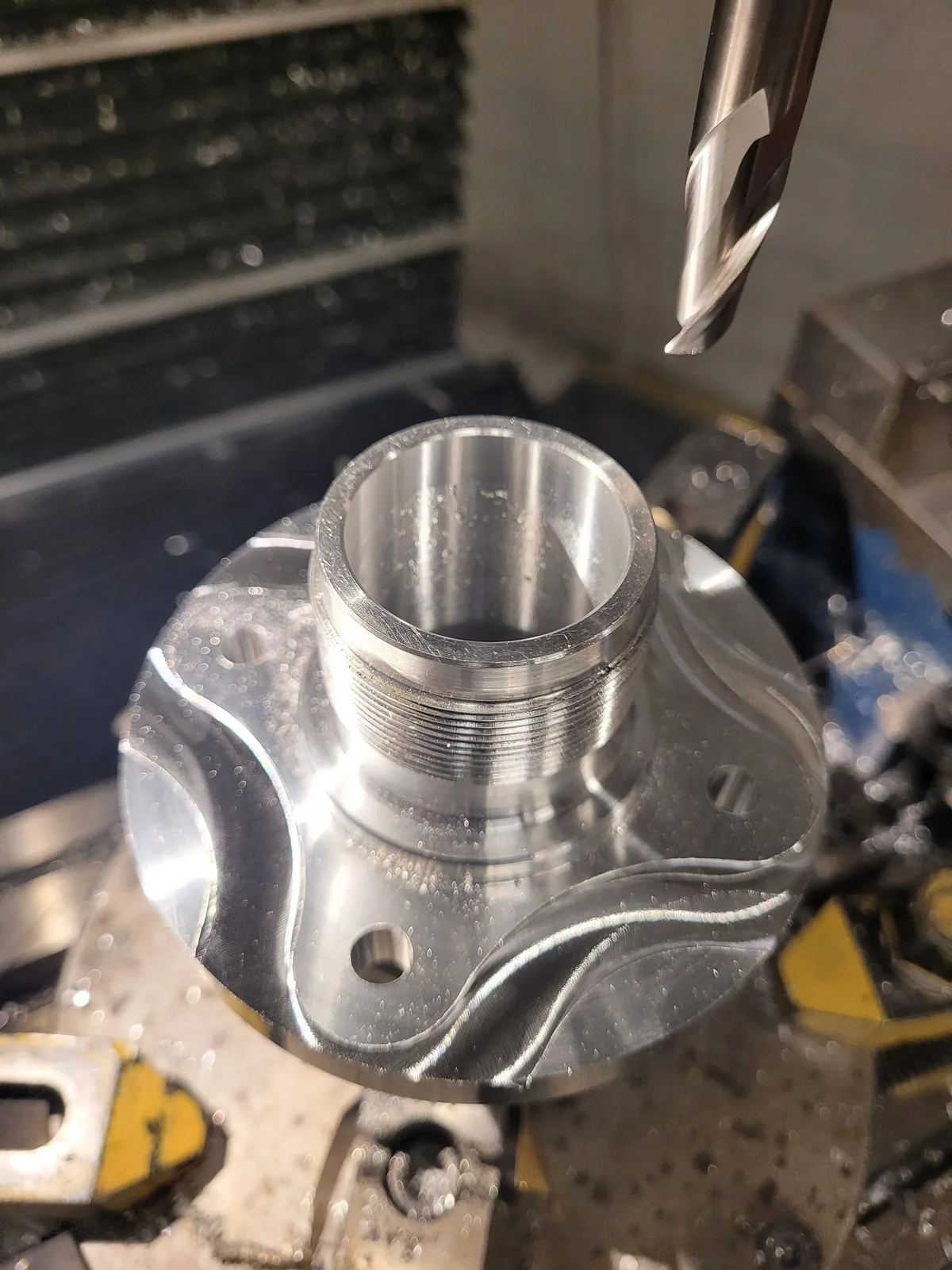
I designed the front wheel hubs for Formula UBC to be made of 7075-T6 aluminum. I used FEA and fatigue analysis to reduce mass by 25% while still ensuring a useful fatigue life of 6 years under racing loads. The bearing seats demanded transition fits to ±10 µm on a 75 mm diameter — tolerances I hit on a manual lathe.
I machined one hub myself over 50 hours in the machine shop, saving the team $600 because we already had the material. The second was outsourced — a good chance to sharpen my GD&TGeometric Dimensioning & Tolerancing is a method of controlling geometric properties to communicate design intent with an engineering drawing. Some relevant examples are flatness, concentricity, perpendicularity, etc. skills on a drawing where tolerances really matter.


About
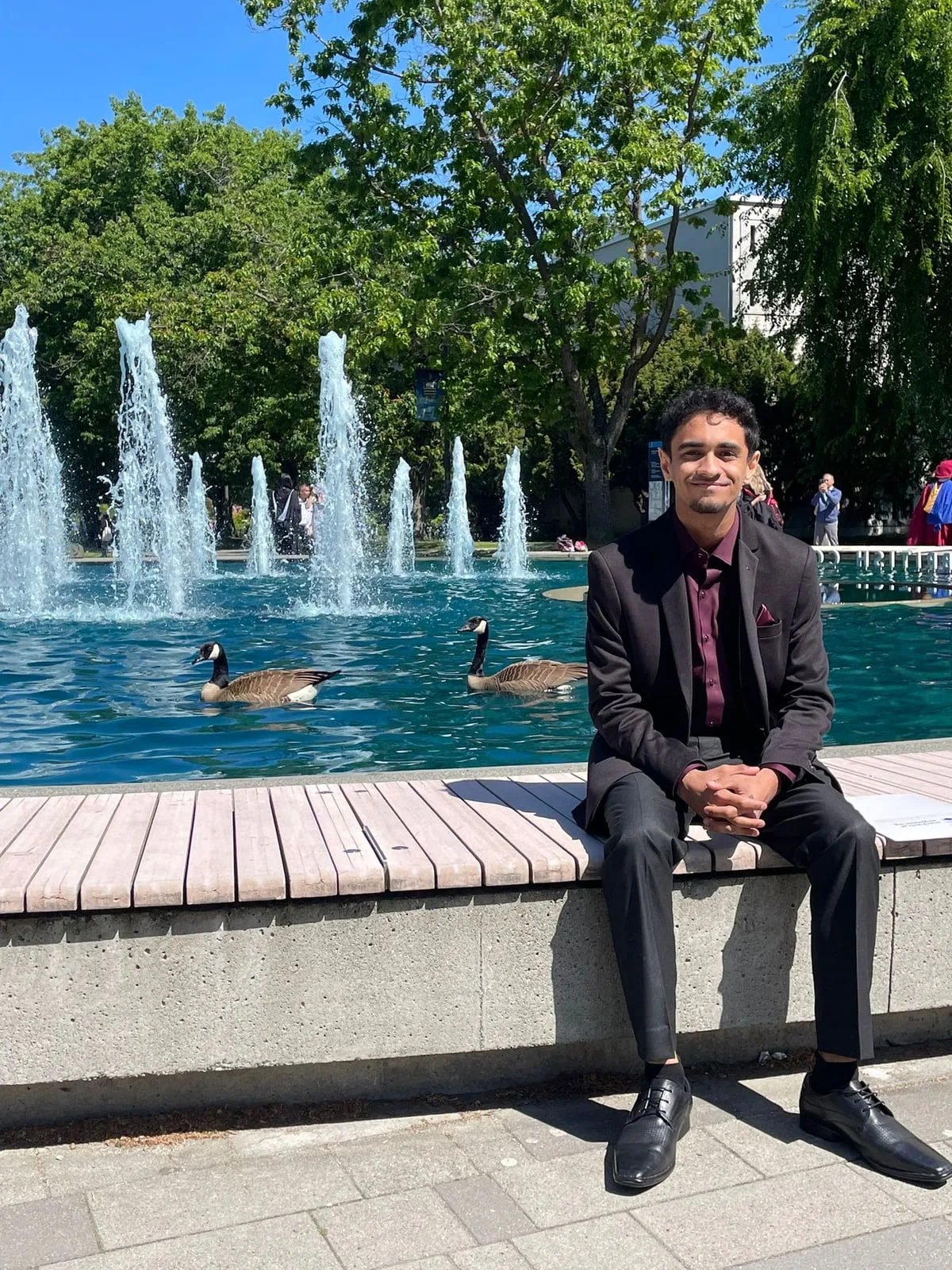
I am a mechanical engineering graduate from UBC Vancouver focused on mechanical design, automation and manufacturing methods. My love for engineering has only grown through my many projects — the most recent of which being a 6DOF motion platform (final year engineering project) for which I won a David Nikkel Memorial Award for engineering design, and becoming the first person in 10 years to design and machine wheel hubs for my Formula UBC SAE team.
I have learnt a lot of skills through my design and leadership experience at Formula UBC, and have implemented them in several internships and side-projects. Feel free to view my resume and contact me if you would like to learn more!
In my off time, I like to salsa dance, explore abandoned places and go on long drives.
Contact
Open to roles in mechanical design, manufacturing, and mechatronics. If you're building something cool, I'd love to hear about it.